

Exterminators play a vital role in maintaining the safety, cleanliness, and comfort of both residential and commercial spaces. Their expertise is essential in controlling and eliminating pests that can cause structural damage, spread diseases, or disrupt daily life. Below is a detailed understanding of what exterminators do and how their services help safeguard homes.
Key Responsibilities of an Exterminator
- Identify existing pest issues through visual inspections or specialized tools.
- Assess the extent of infestation and potential risk areas, such as cracks, entry points, or nesting sites.
- Create customized pest control plans tailored to specific needs.
- Use chemical treatments, traps, baits, or biological controls to eliminate pests effectively.
- Apply preventative methods to deter future infestations.
- Focus on minimizing harm to humans, pets, and the environment while treating affected areas.
- Educate homeowners about the causes of infestations such as poor sanitation or structural vulnerabilities.
- Provide clear recommendations for long-term prevention like sealing gaps, improving ventilation, or proper waste disposal practices.
- Conduct follow-up visits to ensure that pests have been eradicated successfully.
- Adjust treatment strategies if necessary based on recurring issues or new threats.
How Exterminators Help Protect Homes
| Pest Type | Damage/Issues Caused | How Exterminators Help |
| Termites | Structural damage to wood | Apply termiticides or install physical barriers |
| Rodents | Chewing wires; spreading diseases like hantavirus | Set traps; seal entry points |
| Cockroaches | Contaminate food; trigger allergies | Use bait systems; insecticide sprays |
| Ants | Damage structures (carpenter ants); food contamination | Locate colonies; implement targeted treatments |
| Bed Bugs | Bite humans; disrupt sleep | Use heat treatments or specialized insecticides |
By removing these pests promptly, exterminators prevent costly repairs and reduce health risks.
Benefits of Hiring Professional Extermination Services
- Expertise and Training: Professional exterminators are trained in identifying pest species accurately and providing effective solutions.
- Access to Advanced Tools: They use industry-grade tools and resources that are not available for general use.
- Time-Saving Solutions: Their efficient techniques save homeowners time compared to DIY attempts that may not work.
- Long-Term Protection: Through preventive measures and regular monitoring services, they ensure long-term pest control results.
Why DIY Methods May Fall Short
- Inability to identify hidden infestations.
- Misuse of pesticides leading to health risks.
- Temporary fixes that don’t address the root cause of the problem.
- Lack of access to professional-grade materials.
Hiring an exterminator ensures comprehensive care with minimal risks involved.
By understanding the role exterminators play in protecting homes from various pests, homeowners can make informed decisions about safeguarding their property against potential threats effectively.
The Importance of Miami Gardens Pest Removal and Professional Exterminators
A professional exterminator plays a crucial role in protecting homes, businesses, and public spaces from the harmful effects of pests. Their responsibilities go beyond simply eliminating pests—they also work to prevent infestations, educate clients on pest control practices, and ensure long-term pest management solutions. Below is an exploration of their key duties, skills, and approaches to pest control.
Key Responsibilities of an Exterminator
- Conduct detailed inspections to identify the type of pest infestation.
- Evaluate the extent of pest activity and determine potential entry points or nesting areas.
- Develop customized treatment plans based on findings.
- Apply appropriate treatments using tools such as sprays, traps, baits, or fumigation techniques.
- Use Integrated Pest Management (IPM) strategies to minimize chemical usage while maximizing effectiveness.
- Ensure safe handling of pesticides and adherence to environmental regulations.
- Seal entry points such as cracks, gaps in windows or doors, and other vulnerable areas to prevent reinfestation.
- Advise property owners on sanitation practices that reduce the likelihood of attracting pests (e.g., removing food debris or maintaining landscaping).
- Provide clients with guidance on preventing future infestations through proper maintenance practices.
- Answer questions about pest behavior and treatment options for reassurance.
- Keep records of treatments performed, materials used, pest activity levels observed during visits, and any client communications related to services rendered.
Skills Required for Effective Pest Control
A skilled exterminator needs more than just knowledge about pests—they require strong problem-solving abilities and excellent communication skills to interact effectively with clients.
- Technical Expertise: Comprehensive understanding of various pest species (e.g., rodents, termites) along with their habits.
- Attention to Detail: Ability to detect even the smallest signs of infestation during inspections.
- Physical Stamina: Capability to work in tight spaces like attics or basements for extended periods.
- Safety Awareness: Knowledge of safety protocols when handling potentially harmful chemicals.
Tools Commonly Used by Exterminators
| Tool | Purpose | Example |
| Pesticide Sprayers | Apply liquid insecticides | Backpack sprayers |
| Traps | Capture live pests | Snap traps for rodents |
| Monitoring Stations | Track pest activity | Termite bait stations |
| Protective Gear | Ensure safety during work | Gloves, goggles |
The Impact Exterminators Have on Homes
- Rodents can spread diseases such as salmonella or hantavirus through droppings.
- Cockroaches may trigger allergies or asthma symptoms due to their shed skin particles.
- Termites can silently destroy wooden structures if left untreated—causing significant financial damage over time.
By addressing these issues promptly with targeted treatments backed by expertise in pest behavior cycles, exterminators provide peace of mind for homeowners while ensuring safe living environments.
What is the Workplace Environment Like for Miami Gardens FL Pest Control Experts?
The workplace environment of an exterminator is diverse, dynamic, and often varies depending on the type of pest problem they are addressing. Professionals in this field need to be adaptable as their work often involves visiting different types of properties, using specialized equipment, and implementing various techniques to eliminate pests. Below is a detailed look into the working conditions, tools, and challenges that exterminators typically encounter.
Indoor vs. Outdoor Workspaces: Choosing the Right Pest Control Service Miami Gardens FL
- Residential Homes: Treating spaces such as basements, attics, kitchens, and crawlspaces to address household pests like ants, cockroaches, or rodents.
- Commercial Buildings: Managing infestations in offices, warehouses, restaurants, or retail spaces where pests can disrupt business operations.
- Outdoor Areas: Addressing pest issues in yards, gardens, and other exterior spaces to control insects like mosquitoes or termites.
The versatility required for these environments means that exterminators must be prepared for diverse settings every day.
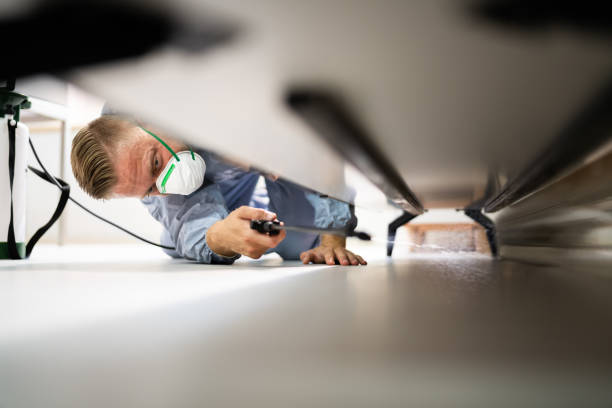
Tools and Equipment Used
| Equipment/Tool | Purpose |
| Pesticide Sprayers | For applying chemical treatments to affected areas |
| Traps (e.g., bait stations) | To capture rodents or larger pests |
| Inspection Tools (flashlights) | Locating hidden infestations in dark or hard-to-reach places |
| Protective Gear (masks/gloves) | Ensures safety while handling potentially hazardous materials |
| Thermal Imaging Devices | Identifying termite activity within walls |
These tools enable exterminators to efficiently address pest infestations while prioritizing safety for themselves and their clients.
Physical Demands
- Crawling into tight spaces (e.g., under floorboards or inside ceilings)
- Climbing ladders to inspect higher areas
- Carrying heavy equipment or supplies
- Spending prolonged periods on their feet
An exterminator’s ability to perform these tasks effectively requires physical stamina and dexterity.
Potential Hazards
- Exposure to harmful chemicals if proper precautions aren’t taken
- Bites or stings from pests they are handling
- Working in extreme weather conditions when resolving outdoor infestations
- Navigating structurally unsafe spaces such as damaged roofs or weakened floors
To mitigate these risks, proper training and adherence to safety protocols are essential components of an exterminator’s workday.
Interaction with Clients
- Explaining treatment plans.
- Providing guidance on preventive measures.
- Answering questions about health concerns related to pests.
Building trust through professional communication is crucial for maintaining a positive reputation in this industry.
Flexibility in Work Hours
Exterminators often face irregular schedules due to the nature of their work. Emergency calls may come at odd hours—especially when dealing with urgent infestations like bed bugs or mice. This requires flexibility and readiness to respond promptly when needed.
The workplace environment for an exterminator offers variety but also demands adaptability and diligence. Whether navigating confined indoor spaces or treating expansive outdoor areas, every day presents unique challenges that require both expertise and commitment to delivering effective solutions for clients’ pest problems.
Are You Suited to Become a Skilled and Effective Exterminator?
Becoming a professional exterminator involves more than simply eliminating pests. It requires a unique mix of skills, physical abilities, and personal traits. If you’re considering a career in pest control, it’s crucial to evaluate whether you’re suited for the demands and responsibilities of this role. Below is an exploration of key factors that can help determine if you have what it takes to excel as an exterminator.
Key Skills for an Effective Exterminator:
- Identifying the root cause of infestations and choosing the most effective solutions.
- Assessing different environments to implement strategies for long-term prevention.
- Spotting subtle signs of pest infestations that might be overlooked by others.
- Carefully following guidelines for applying treatments safely and effectively.
- Understanding how various pesticides, traps, and techniques work.
- Staying updated on industry regulations, safety protocols, and new pest control technologies.
- Explaining treatment plans and preventive measures clearly to clients.
- Providing reassurance during stressful situations caused by severe infestations.
Personal Traits That Make a Good Exterminator:
- Patience: Some pest issues require time-intensive treatment programs, which demand patience from professionals.
- Physical Stamina: The role often involves crawling into tight spaces or working outdoors in varying weather conditions.
- Empathy: Clients experiencing infestations may feel stressed or anxious; a compassionate approach can help build trust.
- Adaptability: Each infestation scenario is unique, requiring exterminators to adapt their methods to specific challenges.
Physical Demands of the Job:
| Task | Requirement |
| Manual Labor | Carrying equipment, traps, or pesticides |
| Navigating Tight Spaces | Crawling under homes or inside walls |
| Standing/Walking | Inspecting large properties |
The job also requires wearing protective gear like gloves or respirators when handling chemicals or working with hazardous materials.
Questions to Ask Yourself Before Pursuing This Career:
- Are you comfortable working with chemicals and potentially hazardous substances?
- Do you enjoy solving complex problems using logical reasoning?
- Can you handle irregular hours that include early mornings or weekends?
If these aspects align with your interests and abilities, pursuing a career as an exterminator could be both fulfilling and rewarding.
By understanding the necessary skills, traits, and demands of this profession, aspiring exterminators can make informed decisions about their suitability for this vital role in protecting homes and businesses from pests.
Exploring Commonly Asked Questions About Exterminators and Pest Control Services
When it comes to pest control, many homeowners and business managers have questions about exterminators, their processes, and how they handle pest infestations. Below is a detailed exploration of some of the most frequently asked questions about exterminators and pest control services.
What Types of Pests Do Exterminators Handle?
- Insects: Ants, cockroaches, bed bugs, termites, fleas, and mosquitoes.
- Rodents: Mice and rats.
- Wildlife: Raccoons, squirrels, bats (depending on local regulations).
- Spiders: Including venomous species like black widows or brown recluses.
- Other Pests: Wasps, hornets, silverfish, moths.
Each type of pest requires a tailored strategy for eradication and prevention.
What Methods Do Exterminators Use?
- Identifying the type of pest.
- Locating entry points or breeding grounds.
- Assessing the extent of the infestation.
- Chemical treatments such as pesticides or insecticides for insects.
- Mechanical traps for rodents or wildlife.
- Heat treatments for bed bugs.
- Integrated Pest Management (IPM)
IPM focuses on combining environmentally-friendly practices with minimal chemical use by emphasizing prevention techniques such as sealing cracks or removing attractants like food sources. - Education & Prevention Advice
Exterminators provide clients with guidance to prevent future infestations by improving sanitation practices or making structural adjustments.
Are Pest Control Chemicals Safe?
- Professionals ensure targeted application to minimize exposure risks.
- They may suggest vacating treated areas temporarily if stronger agents are required.
- Non-toxic alternatives are often available upon request.
How Often Should You Schedule Pest Control Services?
| Frequency | Recommended Scenarios |
| Quarterly | Routine preventative measures |
| Bi-Monthly | High-risk areas for recurring pests |
| Monthly | Severe infestations requiring follow-ups |
Discussing your situation with an experienced exterminator will help determine the best schedule for your needs.
What Are The Signs That You Need To Call an Exterminator?
- Presence of droppings or chew marks (signs of rodents).
- Unexplained skin irritation or bites (possible bed bugs).
- Visible nests in corners or cracks (e.g., wasp nests).
- Structural damage such as sagging floors from termites.
If you spot these warning signs early and contact an exterminator promptly, it can help prevent costly repairs down the line.

Final Thoughts
Hiring a professional exterminator is essential for effectively managing pest problems in both residential and commercial spaces. Understanding their methods and services helps you make informed decisions about protecting your property from unwanted invaders while maintaining safety for occupants. By addressing common concerns upfront through consultation with experts in this field, you can ensure confidence in achieving long-lasting results against pests while preventing future issues efficiently through proactive strategies outlined above
Comprehensive Pest Solutions from a Trusted Pest Control Company Miami Gardens FL
Exterminators play a vital role in safeguarding residential and commercial spaces from the damages and health risks posed by pest infestations. Their methods are tailored to target specific pests, considering the unique challenges each type of infestation presents. Below is a detailed breakdown of how exterminators handle different pest types effectively.
Identifying the Pest Problem
- The species of pest (e.g., rodents, termites, bed bugs, or cockroaches).
- The extent and severity of the infestation.
- Contributing factors such as food sources, access points, or environmental conditions.
This evaluation guides exterminators in choosing appropriate treatment methods while minimizing risks to inhabitants and property.
Common Pests and Treatment Approaches
- Rodents (Mice & Rats) – Inspection: Locating entry points, nests, and droppings. – Methods:
– Setting traps (snap traps or glue boards).
– Using bait stations with rodenticides.
– Sealing entry points to prevent re-entry.
– Follow-Up: Periodic monitoring to ensure rodents have been eradicated completely. - Termites – Inspection: Identifying signs like damaged wood, mud tubes, or discarded wings. – Methods:
– Application of liquid termiticides around structures.
– Placement of termite baits for colony elimination.
– Fumigation for large-scale infestations in severe cases. – Long-Term Measures: Offering preventive treatments such as soil barriers during construction. - Bed Bugs – Inspection: Checking mattresses, furniture seams, and wall cracks for bed bugs or eggs. – Methods:
– Heat treatments to kill all life stages without chemicals.
– Chemical applications using insecticides in infested areas.
– Use of vacuuming or steam equipment for immediate removal. – Prevention Tips Provided to Clients: Reducing clutter and washing bedding regularly. - Cockroaches – Inspection: Identifying hiding spots such as kitchen cabinets or drains. – Methods:
– Application of gel baits near cockroach habitats.
– Use of insect growth regulators (IGRs) to prevent reproduction.
– Spraying residual insecticides in affected areas. – Sanitation Advice for Clients: * Cleaning food spills promptly. * Storing food securely in airtight containers. - Ants – Inspection: Tracking trails to locate nests indoors or outdoors. – Methods: * Applying bait specifically formulated for ant species identified during inspection. * Treating exterior perimeters with repellents if needed. * Destroying nearby ant colonies through targeted pesticide use.
Safety Measures During Pest Control
Professional exterminators prioritize safety throughout their work by: – Using eco-friendly products when possible to minimize environmental impact. – Educating tenants on any restrictions required during and after treatment (e.g., avoiding treated areas temporarily). – Wearing proper personal protective equipment (PPE) while applying pesticides.
Preventive Strategies Recommended by Exterminators
To prevent future infestations, exterminators often advise homeowners and business operators on best practices such as: 1. Regularly sealing cracks around doors, windows, vents, and baseboards. 2. Keeping spaces free from moisture since it attracts many pests like termites or insects. 3. Ensuring proper storage practices for food items in pantries or kitchens.
| Pest Type | Key Methods Used | Prevention Tips |
| Rodents | Traps & rodenticides | Seal entry points; remove debris |
| Termites | Liquid barriers & baits | Reduce wood-soil contact |
| Bed Bugs | Heat treatments | Clean bedding; declutter rooms |
| Cockroaches | Gel baits & IGRs | Maintain cleanliness regularly |
| Ants | Targeted pesticides | Eliminate food/water sources nearby |
By combining expertise with effective techniques tailored to specific pests, exterminators ensure both homes and businesses remain safe from unwanted intruders over time while addressing root causes contributing toward recurring problems efficiently without oversights impacting affected occupants’ well-being long term.
The Importance of Hiring a Certified and Experienced Exterminator for Pest Problems
Expertise in Handling Diverse Pests
Certified exterminators undergo extensive training to identify and eliminate various pests efficiently. Whether it’s ants, termites, rodents, bed bugs, or cockroaches, their expertise enables them to implement targeted treatment plans that address specific infestations.
Some common advantages of hiring experienced exterminators include: – Accurate Pest Identification: They can pinpoint the exact type of pest causing the problem and assess the severity of the infestation. – Tailored Treatment Plans: Professionals use customized solutions that are effective for specific pests rather than generic over-the-counter pesticides. – Knowledge of Pest Behavior: Understanding pest habits allows them to predict movement patterns and eliminate infestations at their source.
Safe Use of Chemicals and Equipment
Pesticides and insecticides can pose health risks if misused. Certified exterminators are trained in the safe application of these chemicals while ensuring minimal exposure to people, pets, and the environment. They also utilize specialized equipment that may not be available to non-professionals.
Safety considerations include: 1. Using eco-friendly or low-toxicity treatments when possible. 2. Ensuring proper ventilation during fumigation processes. 3. Following regulations for chemical storage and disposal.
| Risk | DIY Approach | Certified Exterminator |
| Chemical Overexposure | High risk due to misuse | Minimal with proper application |
| Ineffective Results | Frequent | Rare |
| Environmental Impact | Unchecked | Eco-conscious treatments available |
Long-Term Prevention Strategies
Experienced exterminators don’t just address immediate infestations—they also provide long-term solutions to prevent future problems. This includes: – Identifying entry points such as cracks in walls or gaps around windows. – Offering pest-proofing advice tailored to your home or business environment. – Scheduling periodic inspections to monitor potential threats.
By investing in preventive measures upfront, you reduce the likelihood of recurring infestations that could lead to higher costs over time.
Saving Time and Money
While hiring an expert may seem like an upfront expense, it often proves more cost-effective in the long run. DIY approaches can waste time on trial-and-error methods that fail to solve the problem permanently. Professional exterminators resolve issues quickly using proven techniques that save both time and resources.
Assurance Through Certification
A certified exterminator holds credentials from reputable organizations or regulatory authorities. These certifications ensure they adhere to industry standards while staying updated on advancements in pest control methods.
Key credentials may include: – Licenses issued by state regulatory bodies. – Memberships with national associations like the National Pest Management Association (NPMA). – Ongoing education programs for emerging technologies and techniques.
Hiring certified professionals provides peace of mind knowing your pest problem is being handled by knowledgeable experts committed to delivering top-quality service.
- Key Steps in Effective Pest Control Treatment with an Exterminator Miami Gardens FL
- The Lowdown on Hiring an Exterminator Miami Gardens FL: Keep Your Home Pest-Free
- Essential Questions to Ask Before Hiring Miami Gardens FL Pest Control Experts
- Your Guide to Choosing the Best Pest Control Company Miami Gardens FL for Effective Extermination
- What Makes a Pest Control Company Miami Gardens FL Truly Reliable and Effective
- How an Exterminator Miami Gardens FL Can Help Protect Your Home
- How to Prepare for and Follow Up After Hiring an Exterminator Miami Gardens FL for Effective Pest Control
- What to Expect from Miami Gardens FL Pest Control Services