
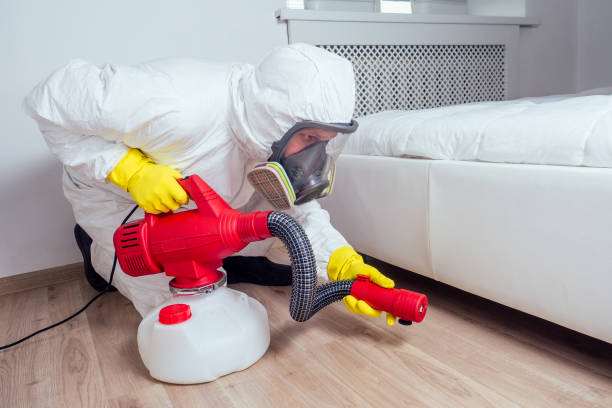
1. Are You Licensed and Insured?
- Why It Matters: Licensing ensures that the exterminator is qualified to handle pesticides and other pest control techniques safely and legally. Insurance protects your property in case of accidental damage during the pest control process.
- Follow-Up Question: Can you provide documentation of your licensing and insurance?
2. What Types of Pests Do You Specialize In?
- Why It Matters: Some exterminators specialize in specific pests (e.g., termites, rodents, bed bugs), while others offer general pest control services. Knowing their expertise can help you determine if they’re suited for your particular issue.
- Examples:
| Pest Type | Specialized Methods Used |
|—————-|——————————————|
| Termites | Baiting systems, fumigation |
| Bed bugs | Heat treatment, chemical sprays |
| Rodents | Trapping, exclusion methods |
3. What Pest Control Methods Do You Use?
- Why It Matters: Understanding their methods ensures that they align with your preferences—whether you prefer eco-friendly options or traditional chemical treatments.
- Do they use Integrated Pest Management (IPM)?
- Are their products child- or pet-safe?
4. Do You Offer a Warranty or Follow-Up Services?
- Why It Matters: A warranty guarantees that the service will be effective over time, while follow-up treatments may be necessary for severe infestations.
- How long does your warranty last?
- Is there an additional cost for follow-up treatments?
5. Can You Provide References or Reviews from Previous Clients?
- Why It Matters: Positive feedback from previous clients can help establish trustworthiness and reliability.
- Timeliness of service
- Effectiveness in resolving pest issues
- Professionalism of staff
Additional Things to Consider:
Before committing to a professional exterminator, keep these pointers in mind: – Compare pricing between different companies but don’t always go for the cheapest option—quality matters more than cost savings. – Ask whether emergency services are available if you require immediate assistance. – Verify if they offer customized plans based on your unique infestation.
By asking these essential questions ahead of time, you’ll gain confidence in hiring an extermination service that meets both your needs and expectations while ensuring long-term results for a pest-free home.
Effective Methods Used by a Pest Control Company Miami Gardens FL for Comprehensive Pest Control
When it comes to managing pest problems efficiently, professional exterminators rely on various methods tailored to the type of infestation and its severity. These methods often combine science-based techniques with practical strategies to ensure effective and long-lasting results. Below is an exploration of some of the most common and effective pest control methods used by exterminators.
1. Inspection and Assessment
Before any treatment begins, a detailed inspection is performed to identify:
– The type of pest(s) causing the issue
– Entry points into the property
– The extent and severity of the infestation
– Environmental conditions that may be contributing to pest activity
Through this comprehensive assessment, exterminators design a customized treatment plan suited to your specific situation.
2. Chemical Treatments
- Residual Sprays: Applied around baseboards, cracks, and crevices for lasting protection against pests like ants and cockroaches.
- Baits: Strategically placed bait stations attract pests like rodents or termites. These products are designed to eliminate pests at their source by targeting entire colonies or nests.
- Fumigation: Used for severe infestations, fumigation involves sealing off an area and using gaseous chemicals that penetrate hard-to-reach places.
All chemical treatments are chosen carefully based on efficacy while minimizing harm to humans, pets, or the environment.
3. Physical Control Methods
For certain types of pests, physical barriers or traps may be the preferred solution, particularly in sensitive areas where chemical use is limited. Common physical control methods include:
– Traps: Sticky traps for insects or mechanical traps for rodents help monitor populations or remove existing pests. – Exclusion Techniques: Using materials such as mesh screens, caulk, or steel wool at entry points prevents future invasions. – Heat Treatments: Raising indoor temperatures effectively kills bed bugs or other heat-sensitive pests without relying on chemicals.
4. Biological Pest Control
In eco-friendly solutions, exterminators may introduce natural predators or biological agents that target specific pests without harming other organisms in your environment. Examples include: – Releasing beneficial insects like ladybugs to combat aphids in gardens. – Using microbial insecticides (e.g., Bacillus thuringiensis) that disrupt pest larvae development.
This method is particularly useful in agricultural settings but has growing applications in residential areas as well.
5. Integrated Pest Management (IPM)
Integrated Pest Management combines multiple strategies into a cohesive approach emphasizing long-term prevention over repetitive treatments. Its components typically include: 1. Monitoring – Regular inspections allow professionals to track infestations over time. 2. Identification – Properly identifying the species ensures targeted approaches are applied. 3. Prevention – Addressing structural issues such as sealing gaps and reducing food sources minimizes pest attractions. 4. Treatment – Applying precise interventions only when necessary reduces pesticide usage over time.
The IPM system offers a sustainable way to manage infestations with minimal ecological impact while still delivering reliable results.
| Method | Best For Targeting… | Advantages |
| Chemical Treatments | General pests (ants/termites) | Quick action; highly effective |
| Physical Controls | Mice/bed bugs | Non-toxic; suitable for sensitive areas |
| Biological Methods | Aphids/pest insects | Environmentally friendly |
| Integrated Pest Mgmt | Multiple pest types | Long-term prevention; low toxicity |
Final Thoughts on Professional Techniques
Professional extermination services employ diverse methods designed not only to eliminate current infestations but also prevent future occurrences effectively. By tailoring their approach based on thorough assessments and employing options suited for each unique scenario—like chemical solutions paired with exclusion techniques—exterminators ensure both immediate relief from pests and long-term protection for your property’s health and safety.
Effective Methods Used by Exterminator Miami Gardens FL for Comprehensive Pest Control
Professional exterminators utilize a wide range of methods to ensure your home or business is safe and free from pests. These techniques are designed to effectively eliminate infestations while minimizing risks to humans, pets, and the environment. Below, we discuss some of the most commonly used methods in professional pest control.
1. Inspection and Assessment
The first step in any pest control process is a thorough inspection and assessment. This involves identifying: – The type of pest causing the problem – The extent of the infestation – Areas vulnerable to pests, such as cracks, crevices, and entry points
Once this information is gathered, exterminators develop a tailored treatment plan that best addresses your specific needs.
2. Chemical Treatments
Chemical solutions remain one of the most effective tools for managing pests. Some examples include: – Residual sprays: Applied in areas where pests are active to provide long-term control. – Dust formulations: Used in hard-to-reach spaces like wall voids or attics. – Baits: Placed strategically to attract and poison pests like ants or cockroaches.
It’s worth noting that professional exterminators follow strict safety protocols when handling chemicals, ensuring minimal environmental impact while maximizing effectiveness.
3. Trapping Techniques
For certain types of pests, especially rodents or larger wildlife, trapping can offer an effective solution. Common traps used include: – Snap traps (for mice and rats) – Live animal traps (for humane removal of creatures like raccoons) – Glue boards (effective for smaller rodents or insects)
Traps are strategically placed based on pest activity patterns for optimal results.
4. Biological Control
Biological control involves using natural predators or pathogens to manage pest populations. For example: – Introducing predatory insects like ladybugs to control aphids – Employing beneficial nematodes to eliminate soil-dwelling grubs
This environmentally friendly method is often preferred in situations where chemical use may pose risks.
5. Integrated Pest Management (IPM)
Integrated Pest Management combines multiple strategies—chemical, biological, physical barriers—while prioritizing prevention over eradication. Key components of IPM include: 1. Monitoring pest activity regularly 2. Removing food and water sources 3. Sealing gaps and potential entryways
Exterminators employing IPM aim for long-term solutions rather than temporary fixes.
6. Heat Treatments
For bed bugs and other heat-sensitive pests, exterminators may rely on heat treatments: – Rooms are heated to a high temperature (above 120°F/49°C), killing all stages of the pest life cycle. – This non-toxic method avoids chemical use entirely but requires specialized equipment.
7. Fumigation
Fumigation is often used for severe infestations involving termites or beetles in wood structures: 1. Affected areas are sealed off. 2. A gas pesticide is introduced into the space. 3. The gas permeates every crevice before dissipating completely after treatment.
While highly effective, fumigation requires homeowners to vacate during the process due to its intensive nature.
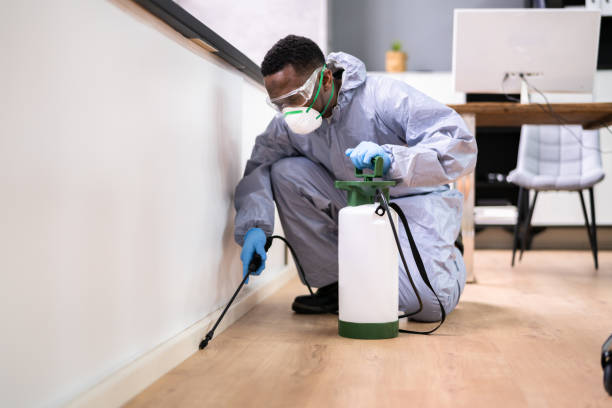
Effective Miami Gardens Pest Removal Methods for Every Pest Type
| Method | Best For Pests Like | Key Benefits |
| Chemical Treatments | Cockroaches, ants | Quick action; broad-spectrum |
| Trapping Techniques | Rodents | Targeted approach; humane options |
| Biological Control | Aphids, mites | Environmentally friendly |
| Heat Treatments | Bed bugs | Chemical-free; comprehensive |
| Fumigation | Termites | Thorough eradication |
When hiring an exterminator, it’s essential to understand which methods they’ll employ based on your unique situation. These advanced strategies ensure safe and thorough elimination so you can enjoy peace of mind while safeguarding your property against further invasions.
Understanding Warranties and Follow-Up Treatments for Pest Control Service Miami Gardens FL
Pest control services are an essential part of maintaining a safe, clean, and pest-free environment in your home or business. However, the work doesn’t end once the initial extermination service is completed. Ensuring long-term success often requires warranties and follow-up treatments. Here’s why these aspects are crucial for effective pest control.
Why Warranties Are Essential
- Peace of Mind: A warranty reassures you that the company stands behind its work.
- Cost Savings: If pests reappear within the warranty period, follow-up treatments are typically included at no additional cost.
- Accountability: Companies offering warranties are more likely to ensure thorough and effective treatment.
Key elements to look for in a warranty: | Feature | Importance | |————————–|—————————————————————————| | Duration | Longer warranties provide better long-term protection. | | Inclusions/Exclusions| Check what pests and situations are covered under the terms of the warranty.| | Transferability | Some warranties can be transferred if you sell your property. |
The Role of Follow-Up Treatments
Pests can be persistent, and even after professional extermination services, some infestations may require ongoing attention. Follow-up treatments help address any residual issues or newly emerging signs of infestation.
Benefits of Follow-Up Treatments:
- Prevent Reinfestations
Many pest species reproduce quickly. Following up ensures any remaining eggs or larvae are eradicated before they grow into another infestation. - Address Resistant Pests
Some pests develop resistance to certain chemicals or techniques. Follow-up treatments allow exterminators to adjust their approach based on observed results. - Monitor Effectiveness
A follow-up visit helps verify whether the initial treatment was effective or if additional measures are needed.
Common Scenarios That Require Follow-Ups:
- Severe infestations that may not be resolved in one visit.
- Pest species with long lifecycles (e.g., bed bugs or termites).
- Seasonal changes that increase pest activity.
How to Ensure You Get Warranties and Follow-Ups
- Is there a written guarantee for their service?
- What is the length of time covered under the warranty?
- How soon after treatment do they conduct follow-ups?
- Are follow-ups included in the overall cost?
By discussing these points upfront, you ensure transparency and avoid unexpected costs later.
Final Thoughts on Long-Term Pest Management
Warranties and follow-up treatments are not just optional extras; they’re vital components of any reliable pest control service plan. They demonstrate a commitment to quality work while providing homeowners with continued protection against pests over time. When selecting an exterminator, prioritize companies that offer robust post-treatment support as part of their services—it’s an investment in long-term peace of mind.
How to Identify When Your Home Needs Immediate Pest Extermination Services
Pests can cause significant damage to your property and pose health risks if left unmanaged. Identifying the signs of a pest infestation early is key to preventing further harm. Below are key indicators that your home may need immediate pest extermination services.
Physical Signs of Infestation
- Droppings and Urine Stains: Rodents and insects often leave droppings in areas like kitchens, basements, or attics.
- Gnaw Marks or Holes: Rats, mice, and termites may leave bite marks on wood, wires, or furniture.
- Shed Skin or Wings: Pests such as cockroaches and termites shed their skin or wings as they grow.
| Pest Type | Common Signs | Usual Locations |
| Rodents | Droppings, gnaw marks | Kitchen cabinets, pantries |
| Termites | Hollowed wood, mud tubes | Foundation, walls |
| Cockroaches | Droppings, shed skins | Bathrooms, dark corners |
| Bed Bugs | Blood spots on bedding | Mattresses, furniture seams |
Unusual Noises
If you hear strange noises in your home during quiet hours—such as scratching in walls or ceilings—it could indicate a pest infestation. Nocturnal pests like rodents are especially active at night.
Foul Odors
Certain pests emit distinct odors: – Rodents: A musky smell caused by their urine. – Cockroaches: A strong oily odor. – Dead Pests: Decomposing bodies can result in unpleasant smells.
If you notice unexplained odors that persist even after cleaning thoroughly, consider seeking professional evaluation.
Structural Damage
Pests can cause visible damage to your home’s structure: 1. Termite activity may result in sagging floors or hollow-sounding wood. 2. Rats and mice may chew through electrical wiring—posing fire hazards. 3. Carpenter ants create smooth tunnels inside wooden structures.
Pay attention to doors that no longer close properly or windows with newly formed gaps as these might indicate underlying infestation issues.
Health Symptoms in Occupants
Some pest infestations can trigger health issues: – Frequent allergies due to dust mites or cockroach droppings. – Itchy red patches caused by bed bug bites. – Respiratory problems linked to rodent droppings or mold spores from infestations.
If you notice recurring allergic reactions without an identifiable source, it could be linked to unseen pests.
Increased Presence of Insects Around the Home
An excessive number of insects like ants around food storage areas or swarms near windows might suggest an internal colony. Additionally: – Flying termites often swarm near light sources during their reproductive phase. – Wasps nesting outside could eventually infiltrate indoor spaces if not addressed promptly.
When Professional Help Becomes Necessary
While minor pest problems might seem manageable through DIY methods like traps and sprays, larger infestations typically require professional intervention for effective resolution. If any of these signs persist despite efforts to control the issue—or if you’re unable to locate the source—it’s time to contact an exterminator for immediate assistance.
A Guide to Choosing the Right Exterminator for Your Pest Problems
When faced with persistent pest issues, selecting the right exterminator is a critical decision. Not all extermination services are created equal, and ensuring you enlist a professional who meets your specific needs can save time, money, and effort. Below is a comprehensive guide to help you evaluate and choose the best exterminator for your situation.
1. Research Credentials and Licensing
A reputable exterminator should hold proper licenses and certifications as required by state or local regulations. These credentials verify that the company adheres to industry standards and employs trained professionals.
- Verify licenses through your local pest control board or equivalent regulatory body.
- Look for affiliations with well-known organizations like the National Pest Management Association (NPMA).
- Check if certifications such as QualityPro (a mark of excellence in pest management) are held by the company.
2. Assess Their Experience
- How long has the company been in business?
- Do they specialize in controlling specific pests (e.g., termites, rodents, or bed bugs)?
- Have they dealt with similar infestations to yours?
Companies with extensive experience are often better equipped to handle complex or recurring issues.
3. Evaluate Treatment Methods
| Treatment Type | Description | Best For |
| Chemical Treatments | Use of pesticides to eradicate pests | Severe infestations |
| Biological Controls | Introduction of natural predators or pathogens | Eco-conscious solutions |
| Integrated Pest Management (IPM) | Combines multiple control techniques for long-term prevention | Sustainable pest control |
Ask whether their treatments are pet-friendly, environmentally safe, or customized for your property type.
4. Read Reviews and Testimonials
- Browse platforms like Google Reviews, Yelp, or Better Business Bureau.
- Look for consistent positive feedback on professionalism, effectiveness, affordability, and timeliness.
- Pay attention to how companies respond to negative reviews; this reflects their focus on customer satisfaction.
5. Inquire About Warranties and Guarantees
- Is follow-up treatment included within a specific timeframe?
- What happens if pests return after treatment?
- Are there additional charges for subsequent visits?
Transparent warranty terms demonstrate confidence in their methods while minimizing future expenses for homeowners.
6. Compare Pricing
| Service Aspect | Consideration |
| Scope of Work | What does the price include? Initial inspection? Regular follow-ups? |
| Competitive Rates | How does pricing compare with other local providers? |
| Value Over Cost | Is the proposed solution comprehensive and durable? |
Avoid companies offering unusually low rates as this could indicate subpar services or hidden fees.
7. Check Communication and Responsiveness
- Are they prompt in responding to inquiries?
- Do they provide transparent explanations about inspection findings and treatment plans?
- Are estimates detailed without hidden costs?
Effective communication ensures you remain informed throughout the process.
By vetting potential exterminators using these criteria systematically, you can confidently choose a service provider equipped to address your unique pest problems effectively while delivering peace of mind.
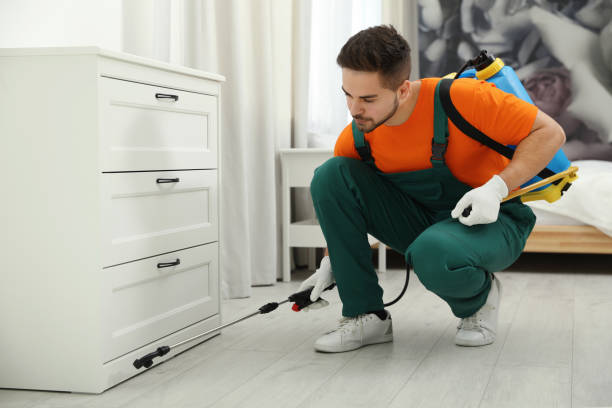
What to Expect During and After a Professional Pest Extermination Process
During the Pest Extermination Process
- The exterminator conducts a thorough assessment of your property to identify the type of pests, their nesting areas, and the extent of infestation.
- They may also check for contributing factors such as entry points, food sources, or moisture issues.
- Based on the inspection results, the professional develops a treatment strategy tailored to your specific pest problem.
- This plan outlines the pest control methods, chemicals (if required), and safety precautions necessary for effective eradication.
- The exterminator applies treatments using targeted techniques such as spraying chemicals, setting traps, or using heat treatments depending on the pest type.
- For severe infestations, fumigation or baiting systems may be employed.
- Professionals ensure that all safety protocols are followed during treatment to minimize risks for occupants, pets, and surrounding areas.
- You may be asked to vacate certain rooms or the entire property temporarily during high-intensity treatments.
After the Pest Extermination Process
- The exterminator revisits your property to assess whether all pests have been eradicated and checks for any recurring signs of infestation.
- They may provide recommendations on addressing structural vulnerabilities like cracks or gaps in windows or walls.
- Some situations require periodic follow-ups (e.g., quarterly inspections) to prevent re-infestation.
- Addressing eggs or larvae that might hatch after initial treatment often necessitates these additional sessions.
- Depending on the chemicals used, you may need to clean surfaces carefully before resuming normal activities.
- Decluttering storage spaces or sealing food containers can also reduce future risks.
Expected Results from Professional Services
| Aspect | Professional Outcome |
| Efficiency | Faster & more comprehensive removal compared to DIY methods |
| Prevention | Strategies implemented by professionals reduce future infestations |
| Safety | Safe application reduces health hazards associated with toxic products |
Taking proactive steps post-treatment by maintaining cleanliness and monitoring for potential re-infestation ensures that your property remains pest-free over time. Hiring trained exterminators offers peace of mind while safeguarding your investment against damage caused by unwanted intruders like rodents or insects.
What to Expect During and After a Professional Pest Extermination Process
Understanding the process of professional pest extermination can help alleviate concerns and ensure you are prepared for each step. Below is a detailed explanation of what typically happens during and after the extermination process.
During the Extermination Process
- A professional exterminator will first evaluate your property to identify the type, source, and extent of the infestation.
- They may inspect common problem areas such as kitchens, basements, attics, or outdoor spaces like gardens or sheds.
- Based on the inspection findings, they will propose a tailored treatment plan that addresses your specific pest problem.
- This plan often includes details about chemicals used (if any), expected outcomes, safety precautions, and an estimated timeline for results.
- Remove food items from countertops or cabinets in case of cockroach treatments.
- Clear clutter in rooms where pests are most active to allow better access for treatment.
- Inform family members and pets to stay away from treated areas during application.
- The actual extermination may involve spraying insecticides, setting traps, applying baits, or using heat treatments depending on the pest type.
- Eco-friendly methods like non-toxic baits or organic solutions might be employed for environmentally-conscious households.
- A reliable exterminator will keep you informed about what they’re doing at every stage so you understand how each step contributes to eliminating pests.
After the Extermination Process
- You may notice reduced pest activity almost immediately after treatment; however, complete eradication often requires some time as pests are eliminated in stages.
- Some pests (e.g., bed bugs) might require follow-up treatments based on their life cycle.
- Avoid entering treated zones for a specified period if chemical applications were involved.
- Ventilate treated areas once it’s safe to re-enter by opening windows and doors.
- Cleaning Recommendations
To maintain effectiveness: - Do not mop floors or wipe down surfaces where pesticides have been applied unless instructed otherwise by your exterminator.
- Dispose of dead insects properly as they emerge post-treatment.
- Follow-Up Appointments
Often, professional pest control companies include follow-up visits in their service plans to ensure long-term success: | Follow-Up Focus | Purpose | Example Action | |———————-|————————————–|————————————| | Monitoring | Check for recurring infestations | Inspect traps or bait stations | | Maintenance | Reapply treatments if necessary | Spraying residual insecticides | | Feedback Collection | Gather customer input | Address remaining concerns | - Preventative Advice from Experts
Professional exterminators typically provide homeowners with preventive advice to reduce future infestations:- Seal cracks around windows and doors using caulk or weatherstripping.
- Store food items in airtight containers to avoid attracting pests.
- Maintain cleanliness by regularly vacuuming floors and wiping surfaces.
Long-Term Impact
Properly executed professional pest control can provide lasting relief from infestations while ensuring safer living conditions for families. It also reduces structural damage risks associated with unchecked pests like termites or rodents when paired with ongoing prevention strategies recommended by experts.
By understanding what happens during and after an extermination service, homeowners can better collaborate with professionals to achieve sustainable results that protect their homes year-round from unwanted invaders like insects or rodents.
- Key Steps in Effective Pest Control Treatment with an Exterminator Miami Gardens FL
- The Lowdown on Hiring an Exterminator Miami Gardens FL: Keep Your Home Pest-Free
- Essential Questions to Ask Before Hiring Miami Gardens FL Pest Control Experts
- Your Guide to Choosing the Best Pest Control Company Miami Gardens FL for Effective Extermination
- What Makes a Pest Control Company Miami Gardens FL Truly Reliable and Effective
- How an Exterminator Miami Gardens FL Can Help Protect Your Home
- How to Prepare for and Follow Up After Hiring an Exterminator Miami Gardens FL for Effective Pest Control
- What to Expect from Miami Gardens FL Pest Control Services